
A serious accident can leave you dealing with much more than immediate pain. Damage to your teeth, gums, jaw, or other facial structures may require treatment that continues for weeks or months. Knowing what to expect from dental care can make the process less overwhelming. Your first appointment may involve an examination and imaging, followed by a discussion of treatment options and expected recovery.
You may also need follow-up appointments, restorative procedures, or care from other professionals. Choosing a dental office that communicates clearly and understands your circumstances can make it easier to navigate these decisions. Keeping your records organized and asking questions throughout treatment can also help you stay informed about your recovery and make decisions that fit your needs.
Document Your Dental Injuries as Soon as Possible
After an accident, your priority should be getting appropriate care. Once you are receiving treatment, make sure your dental injuries are documented thoroughly. Some damage may be visible immediately, while other problems can become more noticeable later.
Your dentist may use an examination, X-rays, photographs, or other diagnostic methods to evaluate the injury. Ask questions about what was found and what the recommended treatment involves.
Keep copies of important information, including:
- Examination records.
- Diagnostic images.
- Photographs.
- Treatment recommendations.
- Estimates and invoices.
- Follow-up instructions.
You should also keep your own notes about when symptoms began and whether they change over time. Changes in pain, sensitivity, chewing ability, jaw movement, or tooth appearance may be useful information for your dentist.
If you are working with an injury law firm, organized dental documentation may also be relevant to your situation. Your dental provider’s role is to document and treat your injuries, not determine who was responsible for the accident.
Maintaining a complete record gives you useful information throughout your recovery and can make it easier to explain your treatment history to other authorized professionals.
Understand Options for Replacing Damaged Teeth
Some accident-related dental injuries can be treated relatively quickly, while others require more extensive restoration. A damaged tooth may sometimes be repaired, but severe damage can make removal and replacement necessary.
If a tooth cannot be saved, dental implants may eventually be an option. However, replacement is not always an immediate step. Your dentist may first need to address damaged tissue, infection, bone concerns, or other problems before permanent restoration.
Ask your dentist:
- Can the natural tooth be saved?
- What treatment is needed immediately?
- Are there temporary options?
- What permanent replacements are available?
- How long might treatment take?
- What follow-up care will be necessary?
Do not feel pressured to make a major treatment decision without understanding your choices. Ask your dentist to explain the advantages, limitations, expected timeline, and maintenance requirements associated with each option.
Your treatment plan may also change as your injury heals. A solution that is appropriate immediately after an accident may not be the same approach used for your final restoration.
Understanding the difference between emergency treatment and long-term restoration can help you make more informed decisions throughout the recovery process.
Look for a Comfortable and Accessible Office
Getting to a dental appointment can be more difficult after an accident, particularly if you have mobility limitations, facial injuries, or other physical problems. The physical environment of the dental office can therefore affect your experience.
When evaluating a practice, consider how easy it is for you to enter, move through, and receive treatment there. If you need accommodations, contact the office before your appointment and explain what you require.
Useful features may include:
- Accessible entrances.
- Clear pathways.
- Comfortable seating.
- Adequate treatment-room space.
- Accessible restrooms.
- Easy parking or drop-off access.
- Private areas for discussing treatment.
If you’re researching a new practice, you may also learn about the dentist office construction or recent renovations. While the appearance of an office is not a measure of treatment quality, a thoughtfully designed facility may be easier to navigate.
Tell the staff about any limitations that could affect your appointment. You may need additional time, assistance getting into the treatment chair, or a different seating arrangement.
A comfortable environment cannot replace qualified dental care, but it can make appointments less physically demanding while you recover.
Choose Care Based On Your Treatment Needs
Finding the right dental provider after an accident is about more than choosing whoever has the highest online rating. You should consider whether the provider can address your specific injury and explain your treatment options clearly.
You may want to ask about the provider’s experience with injuries similar to yours, particularly if you have multiple damaged teeth, jaw concerns, or complicated restorative needs.
Consider:
- Experience treating similar injuries.
- Available diagnostic technology.
- Treatment options.
- Follow-up care.
- Office accessibility.
- Communication style.
- Referrals to other specialists.
You can also ask what would happen if your treatment requires a procedure the office does not provide. Understanding whether the dentist coordinates referrals can be useful when your recovery involves several types of care.
If you receive a complicated recommendation, you may also choose to seek another professional opinion. Bring relevant X-rays, records, and treatment information so the second provider has the necessary background.
Instead of looking for a universally best dentist, focus on finding qualified care that matches your injury, priorities, budget, and comfort level.
Address Cosmetic Concerns After Stabilizing Your Injury
An accident can change the appearance of your smile as well as your oral function. A chipped front tooth, discoloration, missing tooth, or damaged restoration can affect how you feel about your appearance.
Once urgent problems have been addressed, you can discuss cosmetic options with a cosmetic dentist. Depending on your injury, possibilities may include restorative procedures, tooth-colored materials, crowns, or replacement options.
Ask questions such as:
- Can the damaged tooth be preserved?
- What will the restoration look like?
- What materials are available?
- Will treatment affect normal chewing?
- Should cosmetic work wait until healing progresses?
- Could future treatment change the result?
Timing is important. Your dentist may recommend treating infection, fractures, swelling, or tissue damage before focusing on appearance.
You should also explain your priorities. If a visible front tooth is affecting your confidence, tell your dentist. Understanding your concerns can help the provider discuss appropriate options.
Cosmetic treatment should still be considered within the context of your overall oral health. A restoration that looks good but does not properly address underlying structural problems may not provide the long-term result you need.
Understand Children’s Needs After Dental Injuries
Dental injuries can be especially concerning when they involve children. Developing teeth and jaws may require different treatment and monitoring than adult teeth.
If your child has been injured, explain exactly what happened and describe any changes you have noticed. A pediatric dentist can evaluate the affected area and determine what follow-up may be necessary.
Be prepared to discuss:
- When the accident occurred.
- Which tooth or teeth were affected.
- Whether the child has pain.
- Changes in eating.
- Changes in speaking.
- Bleeding or swelling.
- Changes in the child’s bite.
Children may also have difficulty explaining what they are feeling. Watch for behavioral changes, reluctance to eat, or sensitivity around the injured area.
Try to keep explanations about dental treatment simple and reassuring. Let your child ask questions and allow them to understand what will happen during the appointment.
Do not assume an injury is resolved simply because your child feels better. Some problems require monitoring over time. Follow the dentist’s recommendations for additional appointments so changes can be identified as the teeth and surrounding structures heal and develop.
Ask About Safety and Facility Practices
When choosing healthcare, you want to feel confident that the environment is clean, organized, and appropriately maintained. You may not see everything that happens behind the scenes, but you can still ask reasonable questions about the facility.
For example, you might notice whether treatment rooms and common areas appear orderly and whether equipment is maintained appropriately. Businesses involved in catalyst recycling provide one example of how specialized organizations need procedures for handling materials responsibly, although this type of service is separate from dental treatment.
For your dental care, focus on practical questions such as:
- How are treatment areas cleaned?
- How is equipment maintained?
- How are materials stored?
- How are clinical wastes handled?
- What procedures exist for emergencies?
You do not need to understand every operational procedure to evaluate whether a facility appears professionally managed.
If you have concerns about something you see or experience, ask the staff for clarification. A reputable practice should be able to explain its procedures in a professional manner.
The goal is to choose a dental environment where you feel comfortable receiving care and where appropriate safety and maintenance practices are part of everyday operations.
Consider How Reliable Operations Affect Appointments
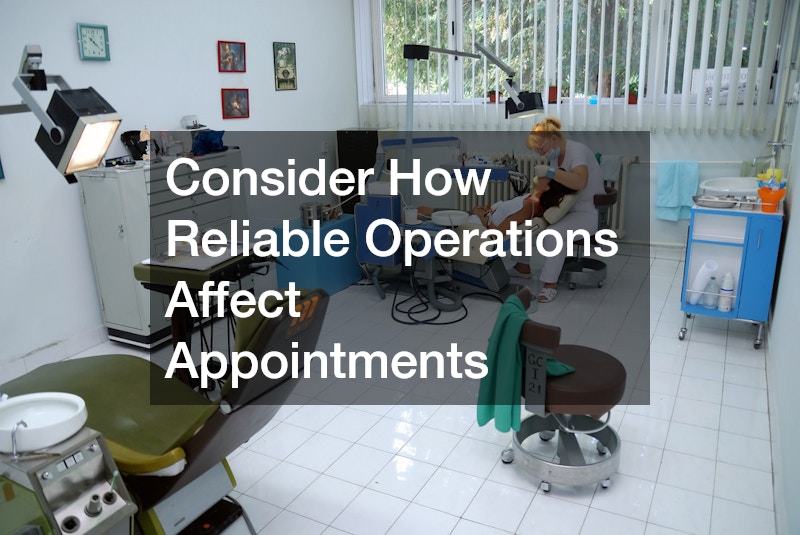
You may not think about a dental office’s building systems until something goes wrong. However, utilities, equipment, maintenance, and outside vendors can all affect whether an appointment can proceed normally.
For example, businesses may rely on bulk fuel suppliers for heating, backup systems, or other facility needs. This does not make fuel services part of dental care, but it demonstrates how businesses depend on outside providers to keep their operations functioning.
From a patient’s perspective, the important issue is how the practice responds when an unexpected problem occurs.
You can look for:
- Clear communication about cancellations.
- Prompt appointment rescheduling.
- Accessible contact information.
- Reasonable explanations for disruptions.
- Alternative arrangements when appropriate.
If you have traveled a significant distance or are receiving time-sensitive treatment, an unexpected cancellation can be especially frustrating.
A well-organized practice should have procedures for communicating operational disruptions to patients. You should not hesitate to ask what happens if equipment, utilities, or building access becomes unavailable.
Reliable operations happen mostly behind the scenes, but they can contribute to a smoother and more predictable treatment experience.
Know When Your Care Requires Coordination
Some accidents cause injuries that involve more than the teeth. Damage to the jaw, gums, facial tissues, or other areas may require attention from multiple healthcare professionals.
You may hear about specialized treatments such as topical oxygen therapy when discussing certain wounds or tissue-related conditions. Such treatments are not appropriate for every injury, and you should never assume a particular therapy is necessary without an evaluation by a qualified healthcare professional.
If your injuries involve multiple areas, ask how your providers will coordinate care. Useful questions include:
- Does another provider need to evaluate the injury?
- Should relevant records be shared?
- Could another condition affect dental treatment?
- Which symptoms should be reported?
- Who should you contact if your condition changes?
Make sure each provider knows about relevant treatments you are receiving. This can help them understand the broader circumstances surrounding your recovery.
Your dentist should remain focused on your oral health while other qualified providers address their respective areas of expertise.
You may need several appointments as different aspects of an injury are treated. Understanding who is handling each part of your recovery can help you keep track of your care and avoid confusion.
Keep Records and Communication Organized

Accident-related treatment can generate a significant amount of paperwork. Keeping your information organized can help you understand your recovery and communicate with the people involved in your care.
Your records may include dental examinations, imaging, treatment plans, estimates, invoices, and follow-up instructions. Keep digital or physical copies in a location you can access easily.
Create a simple record containing:
- Appointment dates.
- Procedures received.
- Treatment recommendations.
- Dental records and imaging.
- Bills and receipts.
- Future appointments.
- Questions you want to ask at your next visit.
If you are communicating with a local accident lawyer, organized dental records may help provide information relevant to an accident-related matter. Your lawyer can address legal questions, while your dentist handles the diagnosis and treatment of your dental injuries.
Do not rely on memory alone, especially when treatment continues over several appointments. Writing down important information can help you remember what your dentist explained and what you need to do next.
Keeping everything together can make your recovery easier to manage and give you a clearer picture of your treatment from the initial evaluation through later restorative care.
Recovering from dental injuries after an accident can involve more than treating immediate pain. You may need diagnostic testing, restorative treatment, follow-up appointments, or coordination with other healthcare providers. Choosing appropriate dental care and keeping your records organized can help you stay informed throughout the process.
Ask questions about your treatment options, communicate changes in your symptoms, and make sure your dental provider understands your concerns. A clear treatment plan and consistent communication can make it easier to navigate your dental recovery while addressing both your immediate needs and longer-term oral health.