
A healthy smile is a lifelong asset, but keeping it in pristine condition requires different strategies as we journey through the various seasons of life. From the first baby tooth pushing through a toddler’s gums to the maintenance of permanent teeth in our golden years, oral health needs shift dramatically. While the basic foundation of brushing and flossing remains constant, each age bracket faces unique biological changes, dietary habits, and structural milestones. Understanding these shifts allows individuals and families to proactively manage their oral hygiene, prevent painful complications, and choose the most appropriate interventions at the right time.
Navigating the vast world of oral care can sometimes feel overwhelming, given the sheer variety of specialized treatments and professional guidance available today. However, breaking down oral health requirements into distinct developmental stages makes lifelong maintenance achievable and stress-free. This comprehensive guide explores the essential care practices, preventive measures, and specialized treatments needed to preserve a bright, functional, and pain-free smile at every stage of growth and aging.
Early Childhood and the Formative Years

The foundation for a lifetime of strong teeth is laid long before the permanent adult teeth emerge. In fact, primary teeth begin developing under the gums during pregnancy, and their arrival sets the stage for future speech development, proper nutrition, and the alignment of adult dentition. Caring for these initial structures requires specialized attention and a gentle touch.
Managing the Initial Milestones of Infancy
Long before the first tooth erupts, oral care should begin by gently wiping an infant’s gums with a clean, damp cloth after feedings to clear away bacteria. As soon as the first primary tooth appears, usually around six months of age, it is time to introduce a soft-bristled brush designed for infants and a tiny smear of fluoride toothpaste no larger than a grain of rice. Preventing early childhood caries, commonly known as baby bottle tooth decay, is crucial during this phase. This condition occurs when a child is put to bed with a bottle containing milk, formula, or juice, allowing sugars to pool around the teeth for hours. To prevent this, only water should be given in bedtime bottles, and nighttime feedings should be followed by a thorough mouth cleaning.
Establishing the First Professional Visits
Early exposure to a clinical environment helps alleviate anxiety and builds trust. Parents should schedule an initial checkup by the child’s first birthday or within six months of the first tooth’s appearance. Relying on pediatric dentists during these early years ensures that the clinical environment is tailored specifically to children, featuring smaller instruments, engaging explanations, and a focus on tracking early developmental milestones. These early visits allow professionals to monitor jaw growth, identify potential issues like tongue-ties, and offer personalized advice on breaking habits such as prolonged thumb-sucking or pacifier use, both of which can distort the shape of the developing upper jaw.
Introducing Independent Hygiene Routines
As toddlers transition into preschool age, they often want to brush their own teeth. While independence should be encouraged, young children lack the manual dexterity required to clean the nooks and crannies of their molars effectively. Parents should supervise and perform a secondary brushing until the child is around seven or eight years old. Using a pea-sized amount of fluoride toothpaste, teaching them to spit rather than swallow, and introducing fun timers or apps can turn a mandatory chore into an engaging daily ritual.
The School-Age and Adolescent Transition
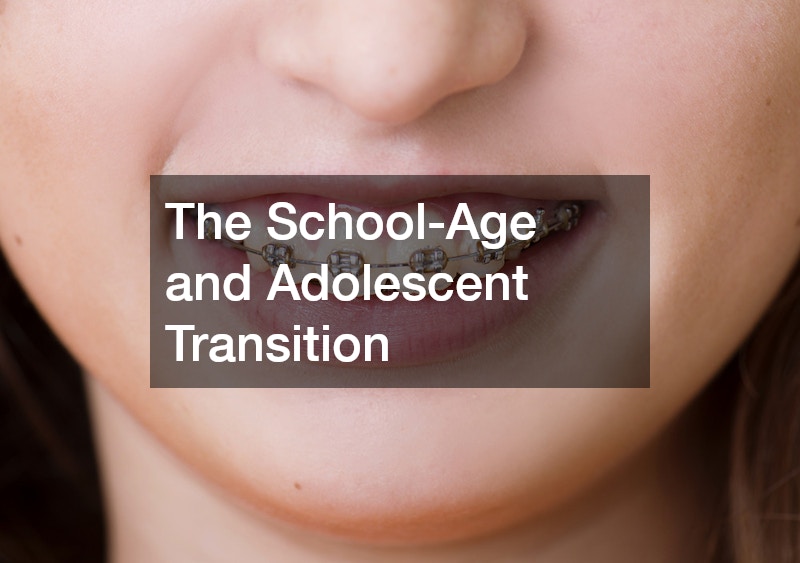
As children enter grade school, their mouths become dynamic zones of transformation. The mixed dentition stage, where baby teeth are shed and permanent teeth erupt, introduces new challenges in cleanliness, spatial alignment, and physical protection. Pediatric dentists, experienced in these changes, should be visited biannually.
Protecting Teeth During Active Play
With increased participation in organized sports and playground activities, the risk of traumatic dental injuries rises significantly. The most effective way to safeguard an adolescent’s smile from fractures, luxations, or total tooth loss is through the use of a custom-fabricated mouthguard. Unlike over-the-counter “boil-and-bite” options, a guard custom-made by a professional offers superior shock absorption, stays securely in place during high-impact collisions, and allows the child to breathe and speak without restriction. Investing in high-quality protective gear protects the delicate roots of newly erupted permanent teeth.
Navigating Structural Realignment
Between the ages of nine and fourteen, most permanent teeth take their final positions. If crowding, severe overbites, or crossbites are present, early structural intervention becomes necessary to prevent long-term wear, jaw pain, and difficulties in chewing. Many families seek out specialized orthodontics in La Mirada to address these complex structural misalignments during peak growth windows. When teeth are properly aligned, they are not only more aesthetically pleasing but also far easier to clean, significantly reducing the risk of interdental decay and early-onset periodontal issues.
Maintaining Hygiene with Structural Appliances
For teenagers undergoing alignment therapies, keeping the mouth clean requires extra effort and specialized tools. Traditional brackets and wires create numerous traps where plaque and food debris can hide, rapidly accelerating the formation of white spot lesions, which are early signs of enamel demineralization. Teenagers wearing kids braces must become proficient with floss threaders, interdental brushes, and water flossers to clean thoroughly beneath the hardware. Rinsing with an antibacterial or fluoridated mouthwash adds an extra layer of defense against gingival inflammation, which is incredibly common among orthodontic patients who neglect their daily hygiene routine.
Adulthood and Preventive Preservation
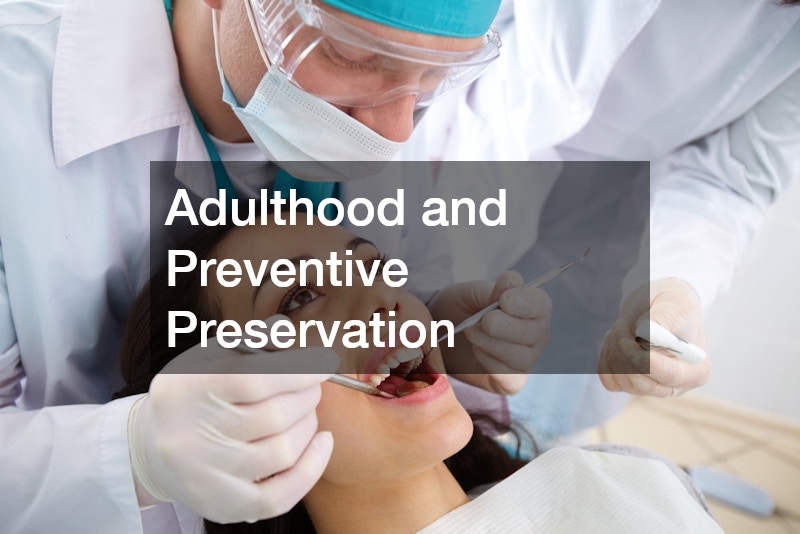
Once the adult dentition is fully established, the focus shifts from managing growth to preserving structural integrity. The choices made during early and mid-adulthood directly dictate whether an individual will retain their natural teeth into old age or require extensive restorative work.
Defending Against Silent Periodontal Decline
While cavities are the primary concern for youngsters, periodontal disease is the leading threat to adult smiles. This chronic inflammatory condition begins as gingivitis, characterized by red, swollen, or bleeding gums during brushing. If ignored, it advances to periodontics, where the underlying bone and connective tissues are gradually destroyed, leading to tooth mobility. Preventing this progression requires a strict routine of brushing twice a day with an electric toothbrush, flossing daily to disrupt the biofilm between teeth, and scheduling routine cleanings with trusted family dentists who can remove hardened tartar before it causes deep tissue damage.
Addressing Unexpected Dental Crises
No matter how meticulous an adult’s hygiene routine is, structural failures and accidents can still occur. A cracked filling, an agonizing toothache caused by an internal infection, or a tooth knocked loose during an accident demands rapid professional attention. Knowing when to utilize emergency dentistry services can mean the difference between saving and losing a compromised tooth. Seeking immediate treatment for acute pain or swelling prevents systemic infections from spreading throughout the body and ensures that minor structural damage is repaired before it necessitates an extraction.
Managing Lifestyle and Dietary Stains
Adulthood often brings a higher consumption of staining substances such as coffee, dark teas, red wine, and highly pigmented foods. Additionally, habits like tobacco use rapidly discolor enamel and compromise the vascular health of the gums. Adults wishing to restore the youthful brightness of their smile often turn to cosmetic dentistry to correct deep intrinsic stains, close minor gaps, or repair chipped edges. Professional bleaching systems and porcelain restorations offer long-lasting, natural-looking improvements that boost self-esteem while maintaining structural strength.
The Mature Smile and Restorative Interventions
As the body ages, the oral cavity undergoes natural changes that require a shift in maintenance strategies. Salivary gland function often diminishes, enamel grows thinner, and the cumulative wear and tear of a lifetime can manifest as structural fragility.
Combating the Dangers of Chronic Dryness
One of the most pervasive challenges faced by older adults is xerostomia, or chronic dry mouth. This condition is frequently triggered by prescription medications used to manage systemic health issues like high blood pressure, diabetes, or depression. Because saliva acts as the mouth’s natural defense mechanism, washing away food particles and neutralizing harmful acids, a lack of flow creates a highly destructive environment. Older individuals must combat this by sipping water constantly, using specialized oral rinses designed for dry mouth, avoiding caffeine and alcohol, and talking to their doctors about altering medication dosages if dry mouth becomes severe.
Restoring Missing Units for Optimal Health
When natural teeth are lost to severe decay, advanced periodontal disease, or structural fractures, replacing them promptly is vital for overall health. Leaving gaps in the arch causes adjacent teeth to shift out of alignment, alters the bite, and leads to the rapid resorption of the underlying jawbone. For those seeking a permanent, rock-solid alternative to missing roots, dental implants offer a sophisticated solution by surgically anchoring a biocompatible titanium post directly into the bone. This post fuses with the natural tissue, providing unmatched stability for a custom crown that looks, feels, and functions exactly like a natural tooth.
Maintaining Comfort and Function with Removable Options
For patients who have lost a significant number of teeth or are not ideal candidates for surgical bone grafting, removable prosthetic appliances remain a reliable and accessible choice. Modern dentures are crafted with incredible precision to mimic the natural look of gum tissue and teeth, restoring the ability to speak clearly and chew a diverse, nutrient-rich diet. However, these appliances require diligent care; they must be removed nightly, brushed with non-abrasive cleaners, and soaked in water to maintain their shape. Regular adjustments by experienced dentists are also required, as the contours of the jawbone naturally shrink and change shape over time.
Lifelong Universal Strategies for Success
Regardless of whether a patient is a toddler learning to spit toothpaste or a senior citizen maintaining full arch restorations, certain foundational principles of oral health remain completely universal.
The Indispensable Value of Professional Oversight
Home care is only half the battle when it comes to maintaining a healthy smile. Even the most dedicated brushers cannot remove calcified tartar once it forms on the teeth. Scheduling a comprehensive dental service at least twice a year is non-negotiable for identifying underlying pathology that cannot be seen with the naked eye. Through digital diagnostic imaging and periodontal probing, professionals can spot early interproximal decay, oral cancer lesions, and bone loss long before these issues present visible symptoms or physical discomfort.
Understanding the Direct Link to Systemic Wellness
The mouth is not an isolated environment; it serves as the primary gateway to the rest of the body. Chronic oral infections and persistent inflammation in the gums allow harmful bacteria to enter the bloodstream, where they can travel to vital organs. Modern medical research has conclusively linked poor oral status to an elevated risk of cardiovascular disease, endocarditis, and stroke. Furthermore, treating periodontal inflammation has been shown to improve glycemic control in diabetic patients, demonstrating that taking care of one’s mouth is an essential component of total systemic health management.
Optimizing Nutrition for Mineralized Strength
The structural integrity of enamel relies heavily on the nutrients we consume daily. A diet rich in calcium, phosphorus, and vitamins A, C, and D provides the essential building blocks needed to keep jawbones strong and enamel highly mineralized. Leafy greens, dairy products, nuts, and lean proteins actively support oral health, while frequent snacking on fermentable carbohydrates and acidic soft drinks provides a continuous fuel source for plaque bacteria. Drinking fluoridated tap water optimally throughout the day remains one of the simplest and most effective ways to naturally rebuild early enamel demineralization at any age.
Achieving and preserving an attractive, fully functional smile throughout a lifetime is a continuous journey that evolves alongside our bodies. Each stage of life demands tailored strategies, distinct precautions, and varying levels of professional support to handle the biological milestones and challenges that naturally arise. By blending meticulous daily hygiene with a nutrient-rich diet, protective habits, and regular clinical evaluations, individuals can easily avoid the discomfort and high costs associated with advanced dental neglect. Investing time and effort into your mouth ensures that your teeth can fulfill their vital roles in nutrition, communication, and self-expression from your earliest years deep into your senior life. Ultimately, a healthy smile is a precious gift that pays dividends in comfort, confidence, and systemic physical wellness every single day.