Pediatric dental visits are crucial for your children’s long-term oral health, preventing decay and instilling good hygiene habits. This article explains what parents can expect at a pediatric dentist, addressing key questions. Understanding these visits helps alleviate concerns and build confidence in providing the best dental care for their children.
When Should My Child First Visit the Pediatric Dentist?
The Importance of Early Visits
Early visits lay the foundation for a child’s oral health. Pediatric dentists can detect issues early, ensuring proper development, preventing pain, and easing anxiety over time.
Age Recommendations for First Dental Visit
The American Dental Association advises a first visit by age one or within six months of the first tooth. This helps the dentist review oral development, catch early decay, and offer hygiene guidance, building trusted relationships.
Signs Your Child Needs a Dentist Earlier
Some children may need dental attention sooner due to tooth discoloration, delayed eruption, or reluctance to chew. Parents should consult a pediatric dentist if concerned.
Preparing for the First Visit
Prepare for a successful first visit by introducing books and videos about dental care. Talk about the visit positively, and bring comfort items. Effective preparation leads to smooth, positive experiences.
Making the First Visit Enjoyable
Enjoyable visits can reduce future anxiety. Pediatric dentists use friendly approaches to comfort children. Parents can help by supporting and explaining the visit in simple terms. Offering a reward can further motivate children.
How Do Pediatric Dentists Make the Visit Child-Friendly?
Design and Atmosphere of the Dental Clinic
Pediatric clinics use bright colors and playful decor to create a comforting atmosphere. Waiting areas are stocked with engaging items for children.
Specialized Training of Pediatric Dentists
Pediatric dentists receive training in child psychology, using gentle, supportive approaches that communicate effectively with children.
Child-Friendly Dental Tools and Techniques
Smaller, child-friendly tools are used for comfort. Techniques include explanations and demonstrations, reassuring children, often with distractions like storytelling.
Engaging and Educative Experiences for Kids
Visits are educational and engaging, using interactive models and tips to empower children towards better self-care habits.
Parental Involvement During the Visit
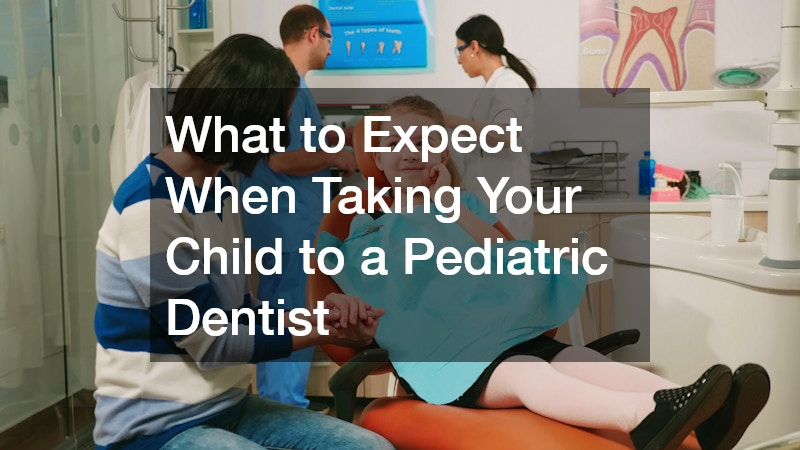
Parents provide comfort and communication, receiving crucial information for their child’s oral health strategy, ensuring comprehensive care.
What Happens During a Routine Pediatric Dental Check-Up?
Initial Assessment and Discussion
Check-ups begin with an assessment and discussion of the child’s history, addressing any concerns and establishing trust and collaboration.
Examination and Cleaning Process
The dentist checks for decay, gum health, and development, ensuring oral health. Professional cleaning promotes healthier teeth with demonstrations and positive reinforcement.
Evaluating Developmental Milestones
Dentists monitor oral growth, checking teeth and jaw development for early intervention, projecting future needs, and recommending preventive measures.
Discussing Dental Habits and Hygiene
Good hygiene practices are reinforced, educating children on brushing and diet’s impact on oral health, promoting long-term dental health.
Addressing Parents’ Concerns and Questions
Dentists address parental concerns, providing reassurance and expert guidance on teething, thumb-sucking, and more, empowering parents with information.
How to Handle Anxiety and Fear in Children?
Understanding the Source of Fear
Understanding and addressing the source of fear can lead to smoother dental experiences. Conversations reveal specific fears and help tailor approaches.
Communicating Positively About Dentists
Using positive language introduces dental visits. Helpful tools include books and videos, fostering a healthy perspective on dental care.
Utilization of Comfort Items
Comfort items ease anxiety by providing security. Play can build positive associations, helping transition to the dental chair.
Behavioral Techniques for Fear Management
Role-playing and positive reinforcement manage fear, building confidence and cooperation with gradual exposure to the dental environment.
Role of the Dentist in Calming the Child
Dentists reduce anxiety through a kind approach and engaging explanations, transforming potentially stressful visits into enjoyable experiences.
What Can Parents Do to Ensure Their Child’s Oral Health?
Daily Home Care Routines
Encourage twice-daily brushing with fluoride toothpaste and early flossing. Supervising builds healthy plaque-minimizing habits.
Diet and Its Impact on Oral Health
Limit sugary snacks to prevent cavities. A balanced diet supports strong teeth, encouraging independence in oral health.
Recognizing Signs of Dental Issues
Recognizing signs like tooth pain or swollen gums allows prompt intervention and effective management of issues, preventing escalation.
Scheduling Regular Check-Ups
Regular check-ups monitor oral development, promoting positive dental experiences and long-term oral health.
Educational Resources for Parents
Educational resources support oral health maintenance, including clinic materials, online tips, and age-appropriate teaching tools.
Pediatric dental care is crucial for a child’s health and development. Early dental homes manage oral health proactively, easing anxieties and ensuring positive experiences. Combining regular visits with good home care ensures a healthy, happy smile for years to come.