Preventive dental care looks very different for families today than it did even a decade ago. Parents are no longer expected to simply react when something goes wrong. Instead, modern dentistry emphasizes education, early action, and realistic routines that fit into everyday family life. This shift has made it easier for parents to stay ahead of problems while reducing the stress, cost, and uncertainty that often come with dental issues.
Busy schedules, school responsibilities, and extracurricular activities can make consistent care feel overwhelming, especially when children are involved. That is why today’s preventive approach focuses on practical solutions rather than perfection. From daily habits at home to smarter scheduling and improved communication with providers, families now have more control over their oral health than ever before.
Choose The Right Dental Provider And Feel Confident About Your Decision

Finding the right dentist for your family can make preventive care much easier and more consistent. Parents often start with recommendations from friends, pediatricians, or school communities, but it also helps to research providers online and review their experience with family or pediatric care. Look for offices that clearly explain services, emphasize prevention, and make communication easy through online scheduling or patient portals. Location and office hours matter as well, especially for families balancing school and work schedules.
When contacting a new office, asking the right questions helps set expectations from the beginning. Parents may want to ask how the practice handles preventive visits, what their approach is to treating anxious children, and whether they offer same-day services when appropriate. Other helpful questions include how emergencies are handled, whether the same provider will see your child consistently, and how treatment plans are explained to parents before work begins. Clear answers indicate a practice that values transparency and family involvement.
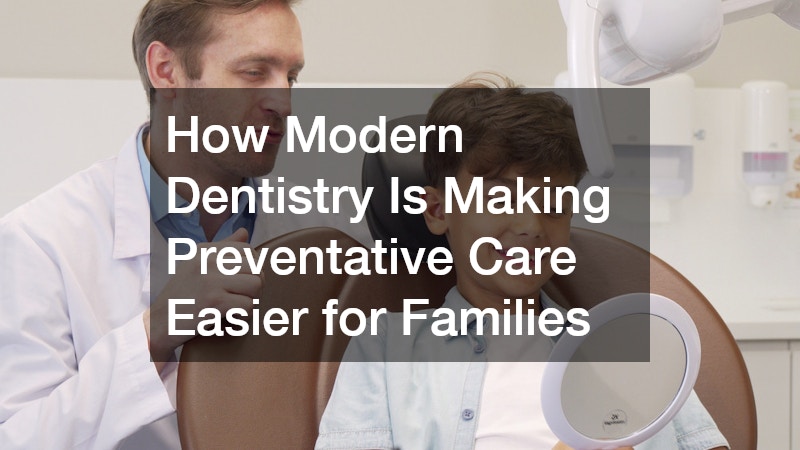
Pay attention to how the office interacts with your child during the first visit. A welcoming environment, patient explanations, and a calm approach often signal a good fit. Children should feel heard and respected, and parents should leave appointments with a clear understanding of next steps rather than feeling rushed or confused. If something feels off, trust your instincts and take note of specific concerns.
If you decide the provider you chose is not the right fit, it is okay to change. Request copies of records and imaging, which families are entitled to receive, and look for another practice that better aligns with your values and expectations. Switching providers early is often easier than staying with one that does not meet your family’s needs. The goal is to build a long-term relationship that supports preventive care, open communication, and confidence in every stage of your child’s oral health journey.
Create Predictable Daily Habits That Stick
Strong oral health starts at home, and consistency is the foundation of prevention. A dentist will often explain that cavities and gum issues are rarely caused by one missed brushing, but rather by patterns that build over time. Establishing predictable daily routines helps children understand that oral care is a normal part of life, not a chore or punishment. This guide for parents emphasizes simplicity, because routines that are easy to follow are more likely to last. Brushing at the same times each day, such as after breakfast and before bed, reduces resistance and builds muscle memory. Keeping toothbrushes, toothpaste, and floss in plain sight removes barriers and makes it easier for kids to stay consistent.
Parents can also reinforce habits by pairing oral care with other routines. For example, flossing can happen right after dinner while the table is being cleared, and rinsing with water can become part of snack time. Helpful strategies include:
- Using a two-minute timer or song to ensure proper brushing length
- Allowing children to choose toothpaste flavors or brush colors within safe options
- Modeling good habits by brushing together as a family
- Replace toothbrushes regularly to maintain effectivenessWeekly check-ins help parents stay ahead of issues by restocking supplies, charging electric toothbrushes, and reviewing upcoming appointments. These small actions create structure and prevent skipped care that often leads to larger problems later.
Spot Small Problems Early And Know Who To Call
Early detection is one of the most powerful tools in preventive care. Many dentists encourage parents to look for subtle changes rather than waiting for pain. Warning signs may include discoloration on teeth, increased sensitivity to hot or cold foods, persistent bad breath, bleeding gums, or a child favoring one side when chewing. Taking quick photos when something looks unusual can help track changes and provide useful information during appointments.
Some symptoms suggest concerns beyond the mouth. Chronic mouth breathing, snoring, frequent ear infections, or recurring sinus issues may indicate airway or structural problems. In these cases, collaboration between dental professionals and an ear nose throat doctor can lead to better outcomes by addressing the root cause rather than treating symptoms in isolation.
Parents benefit from having a clear plan for decision-making:
- Mild discomfort that improves within a day may be monitored
- Persistent pain, swelling, fever, or trauma should prompt immediate professional care
-
Injuries involving the face or jaw should always be evaluated promptly
-
Teaching children to describe discomfort using specific terms such as “sharp,” “pressure,” or “throbbing” helps providers assess urgency and recommend appropriate next steps.
Use Telehealth And Smart Tools To Reduce Unnecessary Visits

Technology has transformed how families access preventive dental care. Virtual consultations allow parents to address concerns without immediately taking time off work or pulling children from school. These visits are especially useful for follow-ups, minor issues, or determining whether an in-person appointment is necessary. In certain cases, families may be able to get a prescription from a doctor online when a short-term medication is needed, and a physical exam is not required, streamlining care and reducing delays.
AI is also reshaping preventive dentistry by improving early detection. Advanced imaging systems can highlight subtle changes in enamel, gum tissue, or bite alignment that may not be obvious during visual exams alone. These tools support earlier intervention, which often means less invasive and more affordable treatment.
Parents can use digital tools effectively by:
- Scheduling virtual check-ins for non-urgent concerns
- Using patient portals to track treatment plans and reminders
- Sharing photos or updates when symptoms change
When used thoughtfully, these tools save time while maintaining high standards of care.
Make Dental Visits Calm, Efficient, And Kid-Friendly
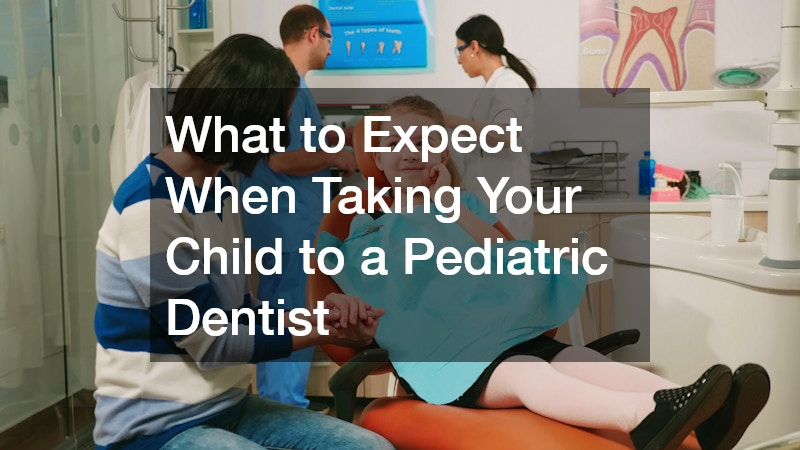
Dental visits tend to go more smoothly when children know what to expect. Parents can reduce anxiety by explaining appointments in calm, age-appropriate language and avoiding negative phrasing. Younger children benefit from simple explanations, while older kids appreciate understanding how long the visit will take and what procedures are planned.
Preparation also extends beyond conversation. Encouraging a brief detox from screens the night before an appointment helps children sleep better and feel more regulated the next day. Better rest often leads to improved cooperation and reduced anxiety during visits. Many practices now focus on efficiency and comfort by offering coordinated family scheduling, same-day preventive services, and transparent discussions about costs. Some offices also provide access to loans or payment options, allowing parents to proceed with recommended care without unnecessary postponement.
Helpful planning tips include:
- Scheduling younger children earlier in the day when energy levels are higher
- Booking siblings back-to-back to minimize disruptions
- Preparing questions in advance to make the most of the appointment time
These strategies turn dental visits into predictable, manageable experiences rather than stressful events.
Prepare For Injuries, Surgeries, And Unexpected Events
Even with excellent preventive habits, accidents can still occur. Falls, sports injuries, or playground incidents may cause dental trauma that requires immediate attention. Injuries involving the jaw or facial structure may require bone repair coordinated by dental specialists and surgeons. Knowing how to respond quickly can reduce long-term complications. Parents should focus on safety first by controlling bleeding, checking for signs of concussion, and seeking emergency care when needed. Keeping any tooth fragments or displaced teeth moist and bringing them to the appointment can improve outcomes. Documentation becomes especially important when injuries happen outside the home. Keeping photos, medical reports, and invoices organized helps families manage insurance claims. In more complex situations, lawyers may assist with navigating liability issues or compensation related to dental injuries.
Preventive steps that reduce injury risk include:
- Using mouthguards during sports
- Ensuring helmets and protective gear fit properly
- Scheduling dental checkups before sports seasons begin
- Preparation helps families respond calmly and effectively when unexpected events occur.
Make Preventive Care Affordable and Plan Financially

Cost is a common concern for families, but preventive care is often far more affordable than delayed treatment. Many dentists offer flexible payment arrangements that allow parents to spread costs over time. Financing options and structured loans help families prioritize necessary care without sacrificing other household needs.
Parents can take proactive steps by requesting clear estimates before procedures and asking about phased treatment plans when multiple services are recommended. Preventive services such as cleanings, sealants, and fluoride treatments help avoid more expensive restorative work later. Understanding insurance coverage, annual limits, and community resources also plays a key role in affordability.
Practical financial planning includes:
- Prioritizing preventive appointments in annual budgets
- Using insurance benefits before they reset
- Asking offices about in-house payment plans
These steps help families maintain consistent care without financial strain.
Teach Oral Health Skills At Every Age
Children benefit when oral health education grows alongside them. Parents should assist with brushing and flossing until children develop proper coordination, gradually shifting responsibility as skills improve. Visual demonstrations and hands-on guidance make learning more effective.
School-aged children respond well to understanding how food choices affect teeth, while teens are often motivated by appearance, comfort, and independence. Encouraging older children to manage their own appointments, with parental oversight, builds accountability and prepares them for adulthood. Making dental care feel routine rather than optional reinforces lifelong habits.
Coordinate Care Across Providers For Better Outcomes
Some dental concerns require collaboration between multiple professionals. Organized records and clear communication improve outcomes and reduce confusion. Parents can maintain a digital folder with imaging, notes, and timelines to streamline appointments.
When orthodontic treatment overlaps with breathing or sleep concerns, coordinated communication prevents conflicting recommendations. Encouraging providers to share insights ensures care plans are aligned and focused on long-term health rather than short-term fixes.
Support Prevention Beyond The Dental Office
Community involvement strengthens preventive efforts. School-based screenings, sealant programs, and oral health education reinforce habits learned at home. Parents can support these initiatives by staying informed, volunteering, or advocating for expanded programs. AI can be a useful tool to stay up to date on dentistry updates. When families and schools work together, children receive consistent messages that support healthier choices.
Plan For Transitions And Long-Term Oral Health

Life transitions can disrupt routines, making planning essential. Before changes such as starting college or switching insurance, scheduling preventive visits and updating records helps maintain continuity. Setting clear, measurable oral health goals keeps families focused on prevention rather than reaction. Adults benefit from the same approach, using regular checkups and early intervention to protect oral health over time.
Preventive dental care works best when it is woven into daily life rather than treated as an occasional obligation. For families, this means creating routines that feel achievable, recognizing early signs of concern, and feeling confident about when and how to seek professional support. Modern dentistry has made these goals more realistic by offering clearer communication, more flexible care options, and a stronger emphasis on prevention instead of reaction.
Parents play a central role in shaping their children’s long-term oral health, not by being perfect, but by being consistent and informed. Small choices made each day, such as encouraging better habits, preparing children for visits, and planning for transitions, add up over time. When families feel empowered rather than pressured, dental care becomes less stressful and more effective. Consider reaching out to one of the best family law attorneys in your area to feel extra secure for accidents.
By taking advantage of modern preventive strategies and maintaining open communication with care providers, families can avoid many common problems before they start. The result is fewer emergencies, more predictable care, and greater confidence at every stage of childhood and beyond. With thoughtful planning and steady habits, preventive dental care becomes a supportive tool that helps families protect not only healthy smiles but also overall well-being for years to come.